
Inflammation isn’t just about pain. It’s not simply the ache in your joints after a long day or the swelling after an injury. Chronic inflammation is a slow, silent process happening inside your body right now — and it’s been quietly linked to weight gain that won’t budge, brain fog that ruins your focus, fatigue that no amount of sleep seems to fix, and serious conditions like heart disease, diabetes, and autoimmune disorders.
If you’re always tired, always achy, always bloated — your diet could be both the cause and the cure. The foods on your plate every single day are either fueling that internal fire or putting it out. There’s no neutral option.
Here’s what you’re going to get: 30 anti-inflammatory meals, one for every day of the month, organized by week, specifically designed to fight inflammation at its root and actually taste incredible in the process. No bland food, no complicated recipes, no suffering through meals you hate.
Before you dive in, here are three surprisingly powerful anti-inflammatory foods most people completely overlook: sardines (one of the richest sources of omega-3s on the planet), tart cherries (shown in research to lower inflammatory markers as effectively as some medications), and ginger (a natural COX-2 inhibitor that works similarly to ibuprofen — without the side effects). You’ll find all three woven through this plan.
The Science of Anti-Inflammatory Eating

Chronic inflammation is your immune system stuck in the “on” position. Normally, inflammation is a useful and necessary response — when you cut your finger or catch a virus, inflammation is what triggers healing. But when your immune system can’t switch off — usually because of poor diet, chronic stress, lack of sleep, or environmental triggers — it begins attacking healthy tissue instead.
That ongoing immune activation is what researchers now believe sits at the root of many of the most common chronic diseases. Heart disease, rheumatoid arthritis, type 2 diabetes, obesity, Alzheimer’s, and even depression have all been linked to chronically elevated inflammatory markers — specifically C-reactive protein (CRP), interleukin-6, and TNF-alpha. You don’t need to memorize those names. You just need to understand that what you eat directly raises or lowers them.
The pro-inflammatory foods driving this process are everywhere in the modern diet: refined sugar and high-fructose corn syrup spike blood glucose and trigger inflammatory cascades. Industrial seed oils (soybean, canola, sunflower) are high in omega-6 fatty acids that, in excess, promote inflammation. Processed meats contain advanced glycation end-products (AGEs) that trigger immune responses. White flour and refined carbohydrates behave like sugar in the bloodstream — fast, disruptive, and inflammatory.
The anti-inflammatory foods that counter all of this are equally powerful: fatty fish like salmon, mackerel, and sardines are rich in EPA and DHA — omega-3 fatty acids that actively resolve inflammation. Berries are dense with anthocyanins, plant pigments that suppress inflammatory signaling. Leafy greens provide magnesium and vitamin K, both of which regulate inflammatory pathways. Turmeric contains curcumin, one of the most studied natural anti-inflammatory compounds in existence. Extra virgin olive oil contains oleocanthal, which has been shown to inhibit the same enzymes as ibuprofen. Walnuts deliver plant-based omega-3s and ellagic acid. Green tea is rich in EGCG, a potent anti-inflammatory antioxidant.
The Inflammatory Index is a research-based scoring system that rates foods based on their measured effect on inflammatory biomarkers in the body. Every meal in this plan is built around low-index ingredients — foods that science has consistently shown to reduce, rather than raise, markers of inflammation.
The Traffic Light Food Guide

Eat Freely: fatty fish, leafy greens, berries, cruciferous vegetables, olive oil, avocado, walnuts, almonds, lentils, beans, turmeric, ginger, garlic, green tea, sweet potato, quinoa, eggs, dark chocolate (85%+)
In Moderation: whole grains, brown rice, organic dairy (plain yogurt, feta, goat cheese), organic chicken, fruit (especially high-sugar varieties like mango and grapes), coffee, red wine
Limit or Avoid: refined sugar, white flour, processed meats, soybean and canola oil, fast food, artificial sweeteners, conventional dairy, alcohol in excess, fried foods
30 Anti-Inflammatory Meals
Week 1 — Foundation Week (Days 1–7): Building Your Base

The first week is about establishing the foundation. These meals introduce your body to key anti-inflammatory ingredients — turmeric, fatty fish, leafy greens, ginger, and olive oil — without overwhelming your routine. Start here. Build the habit.
Day 1: Turmeric Golden Chicken & Rice Bowl Key anti-inflammatory ingredients: turmeric, garlic, olive oil, spinach Protein: 38g | Fiber: 5g | Prep Time: 20 minutes Marinate chicken breast in turmeric, garlic, olive oil, and a pinch of black pepper (which enhances curcumin absorption by up to 2,000%). Pan-sear until golden, serve over brown rice with wilted spinach and a drizzle of tahini. Why it heals: curcumin from turmeric combined with piperine from black pepper creates one of the most bioavailable anti-inflammatory combinations in food.
Day 2: Wild Salmon with Roasted Sweet Potato & Kale Key anti-inflammatory ingredients: wild salmon, kale, sweet potato, olive oil Protein: 40g | Fiber: 8g | Prep Time: 25 minutes Season a wild salmon fillet with lemon, garlic, and herbs. Roast at 400°F alongside cubed sweet potato for 20 minutes. Massage kale with olive oil and lemon, then serve as the base. Why it heals: wild salmon delivers 2–3g of EPA and DHA per serving — among the highest of any food — while sweet potato provides beta-carotene, a powerful antioxidant that reduces oxidative stress.
Day 3: Lentil & Spinach Soup with Ginger Key anti-inflammatory ingredients: lentils, spinach, ginger, garlic, turmeric Protein: 24g | Fiber: 14g | Prep Time: 20 minutes Sauté onion, garlic, and fresh ginger in olive oil. Add green lentils, vegetable broth, diced tomatoes, turmeric, and cumin. Simmer 15 minutes. Stir in spinach at the end until just wilted. Why it heals: lentils are rich in polyphenols that inhibit inflammatory enzymes, while ginger’s gingerols actively block COX-2 — the same pathway targeted by common anti-inflammatory medications.
Day 4: Blueberry Walnut Overnight Oats Key anti-inflammatory ingredients: blueberries, walnuts, chia seeds, oats Protein: 18g | Fiber: 10g | Prep Time: 5 minutes (overnight) Combine rolled oats, chia seeds, almond milk, and a scoop of vanilla protein powder in a jar. Refrigerate overnight. In the morning, top with fresh blueberries, crushed walnuts, and a drizzle of raw honey. Why it heals: blueberries contain among the highest anthocyanin concentrations of any fruit, directly reducing inflammatory markers. Walnuts are the only nut with significant plant-based omega-3s.
Day 5: Mediterranean Quinoa Salad with Olive Oil Dressing Key anti-inflammatory ingredients: olive oil, quinoa, cucumber, tomatoes, olives, parsley Protein: 20g | Fiber: 9g | Prep Time: 15 minutes Toss cooked quinoa with diced cucumber, cherry tomatoes, kalamata olives, red onion, fresh parsley, and crumbled feta. Dress with extra virgin olive oil, lemon juice, and oregano. Why it heals: extra virgin olive oil’s oleocanthal content produces a measurable anti-inflammatory effect at just 3–4 tablespoons per day, comparable in mechanism to low-dose ibuprofen.
Day 6: Ginger Carrot & Coconut Soup Key anti-inflammatory ingredients: ginger, carrots, coconut milk, turmeric, garlic Protein: 8g | Fiber: 7g | Prep Time: 20 minutes Sauté onion, garlic, and grated ginger in coconut oil. Add chopped carrots, turmeric, vegetable broth, and full-fat coconut milk. Simmer 15 minutes, then blend until smooth. Season with salt and a squeeze of lime. Why it heals: the combination of ginger and turmeric creates a synergistic anti-inflammatory effect greater than either ingredient alone, while coconut milk’s medium-chain triglycerides support gut health and reduce intestinal inflammation.
Day 7: Baked Cod with Roasted Broccoli & Lemon Key anti-inflammatory ingredients: cod, broccoli, lemon, olive oil, garlic Protein: 36g | Fiber: 6g | Prep Time: 20 minutes Season cod fillets with lemon zest, garlic, and olive oil. Bake at 400°F for 15 minutes. Roast broccoli on the same tray until crispy at the edges. Finish with fresh lemon juice and parsley. Why it heals: broccoli contains sulforaphane, a compound that activates the body’s own antioxidant and anti-inflammatory pathways at a genetic level. Cod provides lean, clean protein with selenium — a mineral that reduces oxidative damage.
Week 2 — Gut Health Focus (Days 8–14): Heal from the Inside

The gut microbiome is one of the most important regulators of inflammation in the body. A disrupted gut allows inflammatory compounds to enter the bloodstream through a process called “leaky gut.” This week’s meals focus on healing and feeding the gut lining with fermented foods, prebiotic fiber, and anti-inflammatory compounds that target the digestive system directly.
Day 8: Fermented Kimchi & Brown Rice Bowl Key anti-inflammatory ingredients: kimchi, brown rice, sesame oil, green onions, edamame Protein: 18g | Fiber: 8g | Prep Time: 10 minutes Warm brown rice and top with a generous serving of fermented kimchi, shelled edamame, sliced avocado, and a soft-boiled egg. Drizzle with sesame oil and soy sauce. Why it heals: kimchi is a probiotic-rich fermented food that directly seeds the gut with beneficial bacteria. A healthy gut microbiome produces short-chain fatty acids that reduce systemic inflammation throughout the entire body.
Day 9: Avocado & Egg Green Goddess Bowl Key anti-inflammatory ingredients: avocado, eggs, spinach, kale, lemon, olive oil Protein: 22g | Fiber: 9g | Prep Time: 10 minutes Sauté spinach and kale in olive oil with garlic. Top with two poached or fried eggs and sliced avocado. Drizzle with lemon tahini dressing (tahini, lemon juice, garlic, water). Why it heals: avocado is rich in oleic acid — the same beneficial fat in olive oil — and contains anti-inflammatory phytosterols. The combination with eggs provides choline, which supports both brain health and the regulation of inflammatory genes.
Day 10: Bone Broth Veggie Soup Key anti-inflammatory ingredients: bone broth, garlic, celery, carrots, kale, turmeric Protein: 16g | Fiber: 7g | Prep Time: 15 minutes Simmer diced carrots, celery, onion, and garlic in high-quality bone broth for 10 minutes. Add kale, a pinch of turmeric, and cooked shredded chicken or white beans. Season and serve hot. Why it heals: bone broth is rich in collagen, glutamine, and glycine — compounds that directly repair the gut lining. A healed gut lining means fewer inflammatory molecules passing into circulation.
Day 11: Turmeric Scrambled Eggs with Sautéed Spinach Key anti-inflammatory ingredients: eggs, turmeric, spinach, garlic, olive oil Protein: 24g | Fiber: 4g | Prep Time: 10 minutes Whisk eggs with turmeric, black pepper, and a pinch of salt. Scramble gently in olive oil over low heat. Serve alongside spinach sautéed with garlic and a squeeze of lemon. Why it heals: eggs provide arachidonic acid in an anti-inflammatory context when balanced with omega-3-rich foods, and the turmeric-black pepper combination makes this even a simple breakfast a healing meal.
Day 12: Black Bean & Mango Anti-Inflammatory Tacos Key anti-inflammatory ingredients: black beans, mango, red cabbage, lime, cilantro, avocado Protein: 20g | Fiber: 12g | Prep Time: 12 minutes Warm black beans with cumin and garlic. Fill corn tortillas with beans, diced mango, shredded red cabbage, avocado slices, and fresh cilantro. Finish with a squeeze of lime. Why it heals: black beans are among the most polyphenol-dense legumes available, and red cabbage contains anthocyanins that have been shown to reduce CRP — a primary blood marker of inflammation — by measurable amounts.
Day 13: Sardine & Tomato Whole Grain Toast Plate Key anti-inflammatory ingredients: sardines, tomatoes, olive oil, whole grain bread, lemon Protein: 28g | Fiber: 6g | Prep Time: 5 minutes Toast whole grain bread and top with mashed avocado, sardines in olive oil, sliced cherry tomatoes, and a squeeze of lemon. Season with black pepper and red pepper flakes. Why it heals: sardines are the single most concentrated food source of omega-3 fatty acids — gram for gram, higher than salmon. They also provide vitamin D and selenium, both of which modulate the immune and inflammatory response.
Day 14: Roasted Beet & Goat Cheese Salad Key anti-inflammatory ingredients: beets, arugula, walnuts, goat cheese, olive oil, balsamic vinegar Protein: 14g | Fiber: 7g | Prep Time: 10 minutes (with pre-roasted beets) Arrange arugula on a plate, top with sliced roasted beets, crumbled goat cheese, and crushed walnuts. Dress with extra virgin olive oil and a drizzle of balsamic vinegar. Why it heals: beets contain betalains — powerful antioxidant pigments that specifically target inflammatory pathways in the liver and reduce nitric oxide-related oxidative stress. Arugula provides sulforaphane precursors similar to broccoli.
Week 3 — Antioxidant Boost (Days 15–21): Fighting Free Radicals

Free radicals are unstable molecules produced through inflammation, poor diet, and environmental toxins. When they accumulate, they cause oxidative stress — which in turn drives more inflammation, creating a damaging cycle. This week is built around foods with the highest antioxidant density to interrupt that cycle and help the body repair.
Day 15: Pomegranate & Walnut Chicken Key anti-inflammatory ingredients: pomegranate, walnuts, garlic, olive oil, chicken Protein: 42g | Fiber: 5g | Prep Time: 25 minutes Pan-sear chicken breasts in olive oil and finish with a pomegranate molasses glaze (pomegranate juice reduced with honey and balsamic). Serve topped with crushed walnuts and pomegranate arils. Why it heals: pomegranate contains punicalagins — antioxidants so powerful that pomegranate juice has been shown in clinical trials to reduce inflammatory markers in people with heart disease and arthritis.
Day 16: Dark Cherry & Chia Smoothie Bowl Key anti-inflammatory ingredients: tart cherries, chia seeds, almond milk, spinach, protein powder Protein: 26g | Fiber: 11g | Prep Time: 5 minutes Blend frozen tart cherries, a handful of spinach, chia seeds, vanilla protein powder, and almond milk until thick. Pour into a bowl and top with fresh cherries, granola, and hemp seeds. Why it heals: tart cherries contain the highest concentration of anti-inflammatory anthocyanins of any food and have been shown in multiple studies to reduce muscle soreness, lower uric acid levels, and decrease CRP by up to 25%.
Day 17: Cauliflower Turmeric Fried Rice Key anti-inflammatory ingredients: cauliflower, turmeric, ginger, garlic, eggs, peas, sesame oil Protein: 22g | Fiber: 9g | Prep Time: 15 minutes Pulse cauliflower in a food processor into rice-sized pieces. Stir-fry in sesame oil with garlic, ginger, and turmeric. Add eggs, scramble, then toss with frozen peas, soy sauce, and green onions. Why it heals: cauliflower is a cruciferous vegetable rich in indole-3-carbinol, which supports the liver’s ability to detoxify and reduces estrogen-driven inflammation. Combined with turmeric, this is one of the most anti-inflammatory plant-based meals on the plan.
Day 18: Mackerel & Cucumber Avocado Bowl Key anti-inflammatory ingredients: mackerel, avocado, cucumber, sesame seeds, ginger, tamari Protein: 34g | Fiber: 7g | Prep Time: 10 minutes Flake canned or fresh mackerel over a base of sliced cucumber and avocado. Dress with tamari, rice vinegar, grated ginger, and sesame oil. Top with sesame seeds and microgreens. Why it heals: mackerel rivals sardines as an omega-3 powerhouse and is far more affordable than salmon. Its EPA and DHA content directly suppresses the production of pro-inflammatory prostaglandins and leukotrienes.
Day 19: Spinach & Berry Detox Salad with Hemp Seeds Key anti-inflammatory ingredients: spinach, strawberries, blueberries, hemp seeds, walnuts, apple cider vinegar dressing Protein: 18g | Fiber: 8g | Prep Time: 8 minutes Toss baby spinach with mixed berries, crushed walnuts, hemp seeds, and thinly sliced red onion. Dress with a mix of apple cider vinegar, olive oil, Dijon mustard, and raw honey. Why it heals: the combination of spinach and berries delivers a broad-spectrum antioxidant profile — including vitamins C, E, and K, folate, lutein, and multiple classes of flavonoids — that collectively suppress oxidative stress and inflammation.
Day 20: Slow-Cooked Lamb & Vegetable Stew Key anti-inflammatory ingredients: lamb, tomatoes, garlic, rosemary, sweet potato, chickpeas, turmeric Protein: 38g | Fiber: 11g | Prep Time: 20 minutes active (slow cooker) Brown lamb pieces in olive oil with garlic. Add to a slow cooker with diced tomatoes, sweet potato, chickpeas, rosemary, turmeric, and vegetable broth. Cook on low for 6–8 hours. Why it heals: grass-fed lamb contains conjugated linoleic acid (CLA) and a more favorable omega-6 to omega-3 ratio than conventionally raised meat, making it a genuinely anti-inflammatory red meat option when sourced well.
Day 21: Green Tea Poached Salmon Key anti-inflammatory ingredients: salmon, green tea, ginger, miso, edamame, bok choy Protein: 40g | Fiber: 6g | Prep Time: 20 minutes Brew strong green tea and add miso paste, sliced ginger, and a splash of soy sauce. Gently poach salmon in this liquid for 10–12 minutes. Serve over steamed bok choy and edamame. Why it heals: green tea’s EGCG is one of the most studied anti-inflammatory compounds in natural medicine. Poaching salmon in it instead of water infuses the fish with these compounds while also keeping it tender and moist.
Week 4 — Maintenance & Variety (Days 22–30): Long-Term Sustainability

The fourth week is about variety and sustainability. Eating anti-inflammatory isn’t a temporary cleanse — it’s a permanent shift. These meals prove that the approach has infinite range: global flavors, different textures, plant-based and animal protein options. This is what eating this way for life actually looks like.
Day 22: Anti-Inflammatory Buddha Bowl Key anti-inflammatory ingredients: quinoa, roasted chickpeas, kale, avocado, turmeric dressing, beets Protein: 24g | Fiber: 14g | Prep Time: 15 minutes Build a bowl with cooked quinoa, roasted spiced chickpeas, massaged kale, sliced avocado, and roasted beets. Drizzle with a turmeric-tahini dressing (tahini, lemon, turmeric, garlic, water). Why it heals: this bowl delivers five distinct anti-inflammatory food groups in one meal — legumes, cruciferous greens, healthy fat, a complete grain protein, and a curcumin-rich dressing.
Day 23: Zucchini Noodles with Walnut Pesto & Shrimp Key anti-inflammatory ingredients: zucchini, walnuts, basil, olive oil, garlic, shrimp Protein: 34g | Fiber: 5g | Prep Time: 12 minutes Spiralize zucchini into noodles. Blend walnuts, fresh basil, garlic, olive oil, and lemon into a pesto. Sauté shrimp in olive oil until pink. Toss everything together and season with black pepper and Parmesan. Why it heals: swapping refined pasta for zucchini removes a significant glycemic load, while walnut pesto replaces pine nuts with one of the richest plant sources of anti-inflammatory omega-3s.
Day 24: Turmeric Lentil Dahl Key anti-inflammatory ingredients: red lentils, turmeric, cumin, ginger, coconut milk, tomatoes, spinach Protein: 22g | Fiber: 16g | Prep Time: 20 minutes Sauté onion, garlic, and ginger in coconut oil. Add turmeric, cumin, coriander, and red lentils. Pour in diced tomatoes and coconut milk. Simmer 15 minutes, stir in spinach, and serve with cauliflower rice or whole grain flatbread. Why it heals: red lentils cook quickly and are among the highest plant-based fiber sources available. Their soluble fiber feeds beneficial gut bacteria, which produce butyrate — a compound that directly reduces gut-derived inflammation.
Day 25: Stuffed Bell Peppers with Turkey & Quinoa Key anti-inflammatory ingredients: bell peppers, quinoa, turkey, garlic, tomatoes, fresh herbs Protein: 36g | Fiber: 8g | Prep Time: 25 minutes Hollow out red or orange bell peppers. Mix cooked quinoa with browned ground turkey, diced tomatoes, garlic, cumin, and parsley. Stuff into peppers and bake at 375°F for 20 minutes. Why it heals: red and orange bell peppers contain more vitamin C per gram than oranges, and vitamin C is a direct antioxidant that neutralizes free radicals and supports collagen synthesis — important for joint health in those with inflammatory conditions.
Day 26: Roasted Garlic & Tomato Egg Shakshuka Key anti-inflammatory ingredients: tomatoes, garlic, olive oil, eggs, cumin, paprika, fresh herbs Protein: 20g | Fiber: 6g | Prep Time: 20 minutes Sauté onion and roasted garlic in olive oil. Add crushed tomatoes, cumin, paprika, and cayenne. Simmer 8 minutes, then crack eggs directly into the sauce. Cover and cook until eggs are just set. Serve with whole grain bread and fresh parsley. Why it heals: cooked tomatoes significantly increase lycopene bioavailability — and lycopene is one of the most potent antioxidants known to reduce CRP and cardiovascular inflammatory markers.
Day 27: Coconut Curry Chickpeas Key anti-inflammatory ingredients: chickpeas, coconut milk, turmeric, ginger, garlic, spinach, tomatoes Protein: 20g | Fiber: 15g | Prep Time: 20 minutes Sauté onion, garlic, and ginger in coconut oil. Add turmeric, curry powder, and diced tomatoes. Stir in canned chickpeas and full-fat coconut milk. Simmer 10 minutes. Add spinach at the end until wilted. Serve over brown rice. Why it heals: chickpeas contain resistant starch and prebiotic fiber that feed the gut microbiome, while the combination of turmeric, ginger, and coconut’s lauric acid creates a multi-layered anti-inflammatory effect.
Day 28: Smashed Cucumber & Sesame Tofu Bowl Key anti-inflammatory ingredients: tofu, cucumber, sesame oil, rice vinegar, ginger, edamame, avocado Protein: 26g | Fiber: 8g | Prep Time: 12 minutes Press and pan-fry firm tofu until golden. Smash cucumbers with a knife, salt, and toss with rice vinegar, sesame oil, and ginger. Assemble with edamame, avocado, and sesame seeds. Why it heals: cucumbers contain fisetin — a flavonoid with proven anti-inflammatory and neuroprotective effects. Tofu provides isoflavones that modulate estrogen-related inflammatory pathways, making this bowl particularly valuable for women over 40.
Day 29: Almond-Crusted Baked Salmon Key anti-inflammatory ingredients: salmon, almonds, garlic, lemon, olive oil, green beans Protein: 42g | Fiber: 6g | Prep Time: 20 minutes Press a crust of crushed almonds, garlic, lemon zest, and fresh herbs onto salmon fillets. Bake at 400°F for 15–18 minutes until the crust is golden. Serve with roasted green beans. Why it heals: this meal combines two of the most anti-inflammatory foods in existence — wild salmon and almonds — in a single serving. Almonds provide vitamin E, which works synergistically with salmon’s omega-3s to reduce vascular inflammation.
Day 30: Anti-Inflammatory Power Soup Key anti-inflammatory ingredients: bone broth, kale, sweet potato, lentils, turmeric, ginger, garlic, tomatoes, spinach Protein: 24g | Fiber: 16g | Prep Time: 20 minutes In a large pot, combine bone broth, canned lentils, diced sweet potato, crushed tomatoes, kale, turmeric, ginger, and garlic. Simmer 15 minutes. Stir in baby spinach. Season with salt, pepper, and a squeeze of lemon. Why it heals: this final meal is the capstone — it pulls together the most healing ingredients from across all four weeks into one deeply nourishing pot. Think of it as your monthly reset meal: warming, complete, and built entirely from anti-inflammatory staples.
Weekly Shopping List Breakdown
Week 1 Shopping

Produce: fresh ginger root, garlic, sweet potato, kale, broccoli, spinach, carrots, lemon, parsley, cherry tomatoes, cucumber, red onion Proteins: chicken breast, wild salmon fillet, cod fillet, canned or cooked lentils Pantry: brown rice, quinoa, olive oil, turmeric, cumin, coriander, coconut milk, vegetable broth, rolled oats, chia seeds, almond milk, walnuts, blueberries, honey, kalamata olives, tahini Fridge: eggs, feta cheese
Budget swap: frozen salmon instead of fresh. Canned lentils instead of dried. Store-brand olive oil instead of imported. Batch cook Sunday: a large pot of brown rice, a full tray of roasted sweet potato, six hard-boiled eggs, and overnight oats for Day 4.
Week 2 Shopping
Produce: beets (pre-cooked, vacuum-packed), avocado, arugula, red cabbage, mango, lime, cilantro, celery, carrots, more spinach and kale Proteins: bone broth (carton), canned sardines in olive oil, eggs, cooked or rotisserie chicken (optional), canned white beans Pantry: corn tortillas, whole grain bread, black beans (canned), sesame oil, soy sauce or tamari, rice vinegar, balsamic vinegar, kimchi (store-bought) Fridge: goat cheese, edamame (frozen)
Budget swap: canned sardines are already a budget protein. Jarred roasted beets instead of fresh. Frozen edamame from any grocery store. Batch cook Sunday: a big pot of bone broth soup base, roast a tray of beets, and pre-portion kimchi bowls.
Week 3 Shopping
Produce: cauliflower, bok choy, strawberries, more blueberries, more fresh ginger, pomegranate seeds (or fresh pomegranate), fresh basil, microgreens Proteins: mackerel (canned or fresh), lamb shoulder or leg (for slow cooker), more salmon, frozen shrimp Pantry: frozen tart cherries, miso paste, green tea, hemp seeds, pomegranate molasses or juice, tamari, dark chocolate (85%+) Fridge: more eggs
Budget swap: canned mackerel is pennies compared to fresh. Frozen tart cherries are more affordable than fresh. Lamb stew cuts are often significantly cheaper than prime cuts and become tender in the slow cooker. Batch cook Sunday: set the lamb stew in the slow cooker in the morning. Prep cauliflower rice in batches.
Week 4 Shopping
Produce: zucchini, bell peppers (red and orange), more avocado, more garlic, tomatoes (canned and fresh), green beans, more spinach, more kale Proteins: canned chickpeas, firm tofu, ground turkey, more salmon, more shrimp (frozen) Pantry: red lentils, curry powder, coconut curry paste, whole grain flatbread, almond flour or crushed almonds, more bone broth, coconut oil Fridge: parmesan
Budget swap: dried red lentils are among the cheapest proteins per gram available. Extra-firm tofu is an affordable plant protein. Canned chickpeas over dried saves significant time. Batch cook Sunday: cook a large pot of turmeric lentil dahl (doubles as lunch and dinner). Prep all stuffed pepper filling in advance.
Anti-Inflammatory Pantry Essentials

A well-stocked pantry is what makes consistent anti-inflammatory eating possible. When you have the right ingredients on hand, a healing meal is always within reach — even on the nights when there’s nothing obviously planned.
Oils: Extra virgin olive oil is the foundational cooking and dressing oil for this entire plan. Avocado oil is ideal for high-heat cooking (higher smoke point than olive oil). Coconut oil works well for Asian-inspired and curry dishes. Keep all three.
Spices: Turmeric and black pepper should always be purchased together — the piperine in black pepper makes curcumin dramatically more bioavailable. Ginger (both fresh and powdered) is versatile and powerful. Cinnamon stabilizes blood sugar and has measurable anti-inflammatory effects. Cayenne pepper activates capsaicin pathways that reduce pain and inflammation. Cumin, coriander, and smoked paprika round out a deeply functional spice rack.
Proteins: Wild salmon and sardines as the fatty fish staples. Canned lentils and black beans for fast plant protein. Tempeh as a fermented, complete plant protein. Organic chicken breast as a lean, clean animal protein for volume meals.
Snacks: Raw walnuts and almonds for between meals. Dark chocolate at 85% or higher — at this percentage, sugar content is low and polyphenol content is high. Green tea as a daily beverage habit. Frozen mixed berries for smoothies and bowls.
If you want a simple starting point that shows you how to put all of this together in real meals, the free 3-Day Kickstart at healthyplatelab.com maps it out day by day — it includes the Perfect Plate Formula, a 3-day high-protein meal plan, a protein guide, and a full grocery list.
What to Avoid — The Inflammatory Foods List

Just as important as what you add to your diet is what you reduce. These foods drive chronic inflammation at a biochemical level and are worth limiting or eliminating as you move through this 30-day plan.
Refined vegetable and seed oils including soybean oil, canola oil, corn oil, and sunflower oil are extremely high in omega-6 fatty acids. While omega-6 isn’t inherently bad, the modern diet delivers it at a ratio of roughly 20:1 over omega-3s — a ratio that strongly promotes inflammatory signaling. Swap these for olive oil, avocado oil, or coconut oil.
High-fructose corn syrup and added sugars trigger rapid insulin spikes that activate inflammatory cytokines. They also feed pathogenic gut bacteria, disrupting the microbiome balance that regulates inflammation. Check labels on sauces, dressings, yogurts, and packaged foods — sugar hides in products people assume are healthy.
Artificial sweeteners, while calorie-free, have been shown in emerging research to disrupt gut bacteria composition and worsen glucose tolerance in ways that contribute to metabolic inflammation. Opt for raw honey, maple syrup, or date syrup in moderation.
Processed meats — deli meat, hot dogs, bacon, sausage — contain nitrates, advanced glycation end-products, and saturated fat profiles that raise inflammatory markers. If you eat meat, choose organic, whole cuts where possible.
Conventional dairy at high volumes can drive inflammation in people with casein sensitivity or lactose intolerance, even without obvious digestive symptoms. Fermented dairy like plain yogurt, kefir, and aged cheese is generally better tolerated and provides probiotic benefit.
White bread, pastries, and refined flour products behave like pure sugar in the bloodstream. They spike glucose, feed inflammatory pathways, and provide negligible nutritional value. Whole grain versions dramatically reduce this effect.
30 Days of Healing Meals. Every Day. No Willpower Required — Just a Plan.
Chronic inflammation doesn’t resolve itself. It responds to consistent, deliberate choices — and this 30-day plan gives you exactly that. Thirty meals built from the most healing ingredients on the planet, organized by week, with shopping lists, pantry guidance, and the science behind why each one works.
You don’t have to do this perfectly. The goal isn’t perfection — it’s direction. Every meal on this list you choose over a processed, pro-inflammatory alternative is a step toward less pain, more energy, sharper focus, and a body that’s working with you instead of against you.
Pin this post, save the meal plan, and start Week 1 this Sunday. Come back the following Sunday for Week 2. Repeat for 30 days and see how different you feel on the other side.
If you want the full system in one place, the Complete Transformation Bundle at healthyplatelab.com includes 80+ recipes, the Balanced Plate Blueprint, and a weekly planner — all for $9.99. It’s the complete infrastructure for making this kind of eating your permanent baseline.
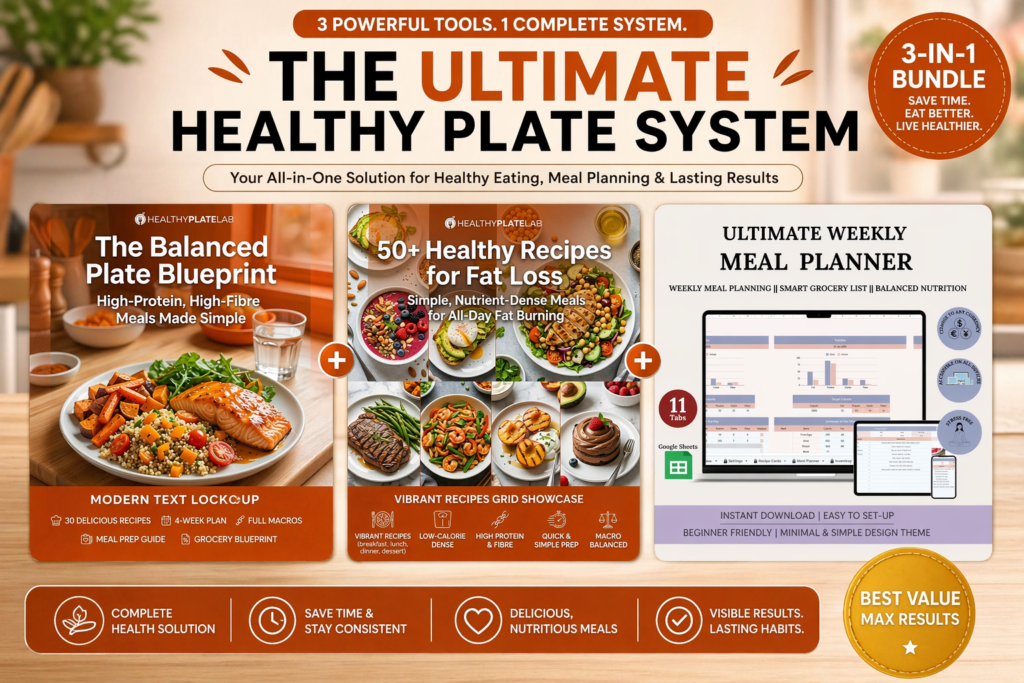
Ready to make this your lifestyle? The Complete Transformation Bundle gives you the blueprint, the recipes, and the planner to eat better every single week — all for just $9.99 → healthyplatelab.com